
Written by Johanna Frank
Business Advisor at OneLab
There are different things we can do to recover. Vacation is an important time to recharge, and it can be used to build good habits that last the rest of the year. Many people think of recovery as being passive and resting. But moving your body or doing different kinds of activities that give you positive energy can be just as important.
An important aspect of recovery is that it needs to contrast with the feeling, activity or environment you were in while stressed. For many people, the home has served as a workplace in recent years. If you have been sitting and working in your living room, it may no longer be associated with relaxation in the same way. Then it can be wise to try to change your surroundings during your vacation and find ways to spend more time outdoors, travel or perhaps rent a summer cottage if possible.
Ill just in time for vacation
Many people will recognise falling ill at the weekend and then recovering just in time for the week to start. It is not unusual for people who work at a very intense pace to get everything done before their time off to fall ill during the first few days of their vacation.
There is a theory, with some support, that our immune system is intelligent, meaning we can postpone an illness until we have time for it. When you are under stress, you do not start to feel ill because the sympathetic nervous system is activated and the body is geared to act. It is only when you can relax that the symptoms of illness appear. To avoid this, you can try, if possible, to slow down somewhat before your time off.
Vacation and anxiety
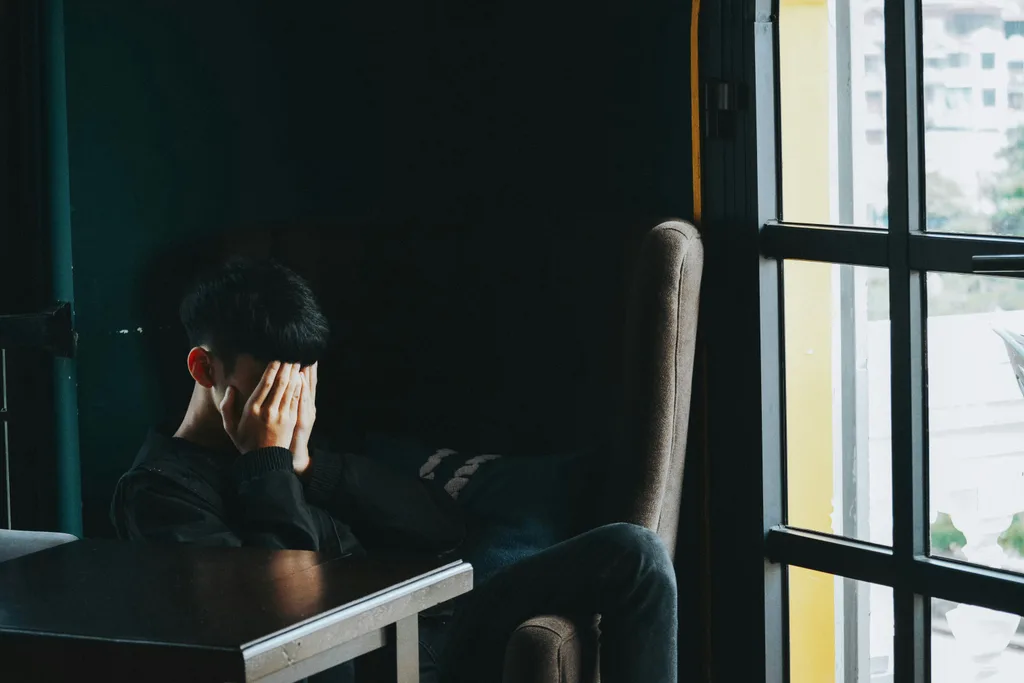
For some, vacation can cause anxiety. Time set aside for rest can easily become a space for overthinking, and things there is no time to think about in everyday life often come up during time off. One way to reduce anxiety can be to write a list of situations or things that stress you.
It is common to feel that your thoughts are just spinning and that it is hard to pin down what is making you feel bad. One way to get a better overview can be to sit down and write a list of what causes feelings such as stress and anxiety. By gathering your thoughts and putting into words what you feel and think, it also becomes easier to identify what feels difficult. That in turn makes it easier to solve the problem and find recovery.
Alcohol can make you more sensitive to stress
Go easy on alcohol. If you feel tired and tense, it can be tempting to drink alcohol to relax more easily. Alcohol may seem relaxing temporarily, but it can actually make you more sensitive to stress. If you notice that you need alcohol to relax, you may benefit from thinking about other alternatives. Perhaps you can find a better and more effective way to relax? Contact a primary care centre if you would like help.
Enjoy your vacation
After a hectic period, it can be hard to find calm once your vacation is finally here. OneLab nurse Linnea therefore shares simple tricks that help the body relax faster and make it easier to shift focus from work to recovery.

Tips for winding down before your vacation:
- Finish your tasks earlier and use the last few days to go through your emails and clear your desk.
- Decide early on that everything should be done a week before. That gives you time to tick off the last few things, wind down and leave with a clear conscience.
- Start your vacation in the middle of the week. That way, the last Friday will not be too stressful.
- If June and July feel like too much, it can be a good idea to try cancelling some leisure activities, or leave them early. It is important to plan in rest and recovery during periods you know will be intense. If you take care of yourself, sleep properly and prioritise your wellbeing – even though you are stressed – you can cope with a lot for a period.
- Write a reminder list for yourself before your vacation to make it easier to disconnect from work.
- As an employee, you have a responsibility to work on the tasks you have been given, but also to tell your employer when the workload is too heavy. Sometimes the hardest part is taking the moment needed to get an overview and prioritise what matters most.
Tips for winding down during your vacation:
- Be active during the first few days of your vacation so that you shift focus and do not start your time off by dwelling on work problems.
- Keep yourself active so that you do not end up brooding and ruminating. Even though the hammock is tempting, there is more room for overthinking or worries about work when you end up there. If you are out on a bike ride instead, you might be thinking more about whether you will find a flea market along the way or how many wild strawberries are growing by the roadside.
- Switch off your computer and phone now and then. Constantly being reachable and connected to various social media can be stressful and activates our exploratory system, which in the long run makes us more tired.