
Written by Johanna Frank
Business Advisor at OneLab
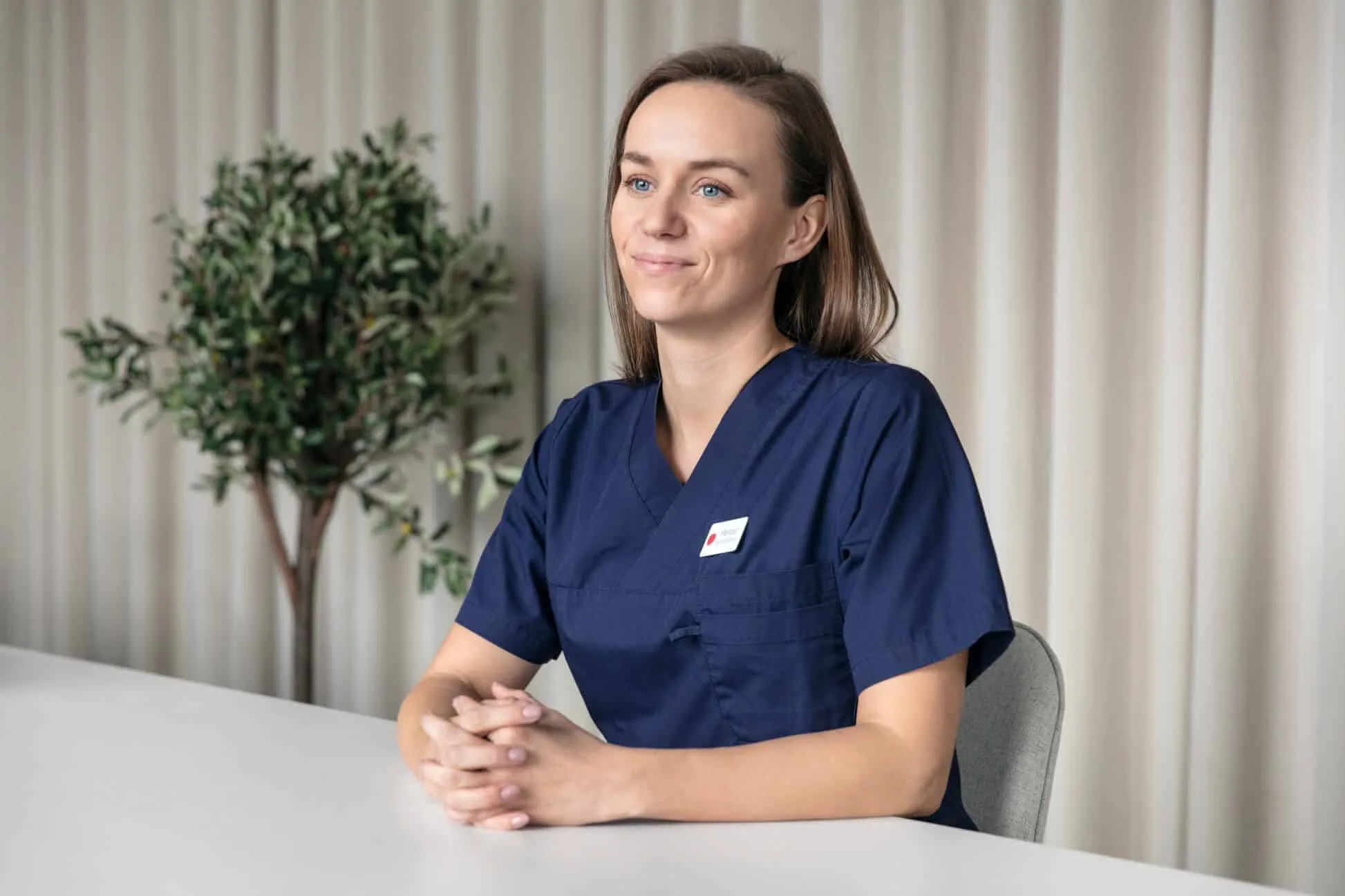
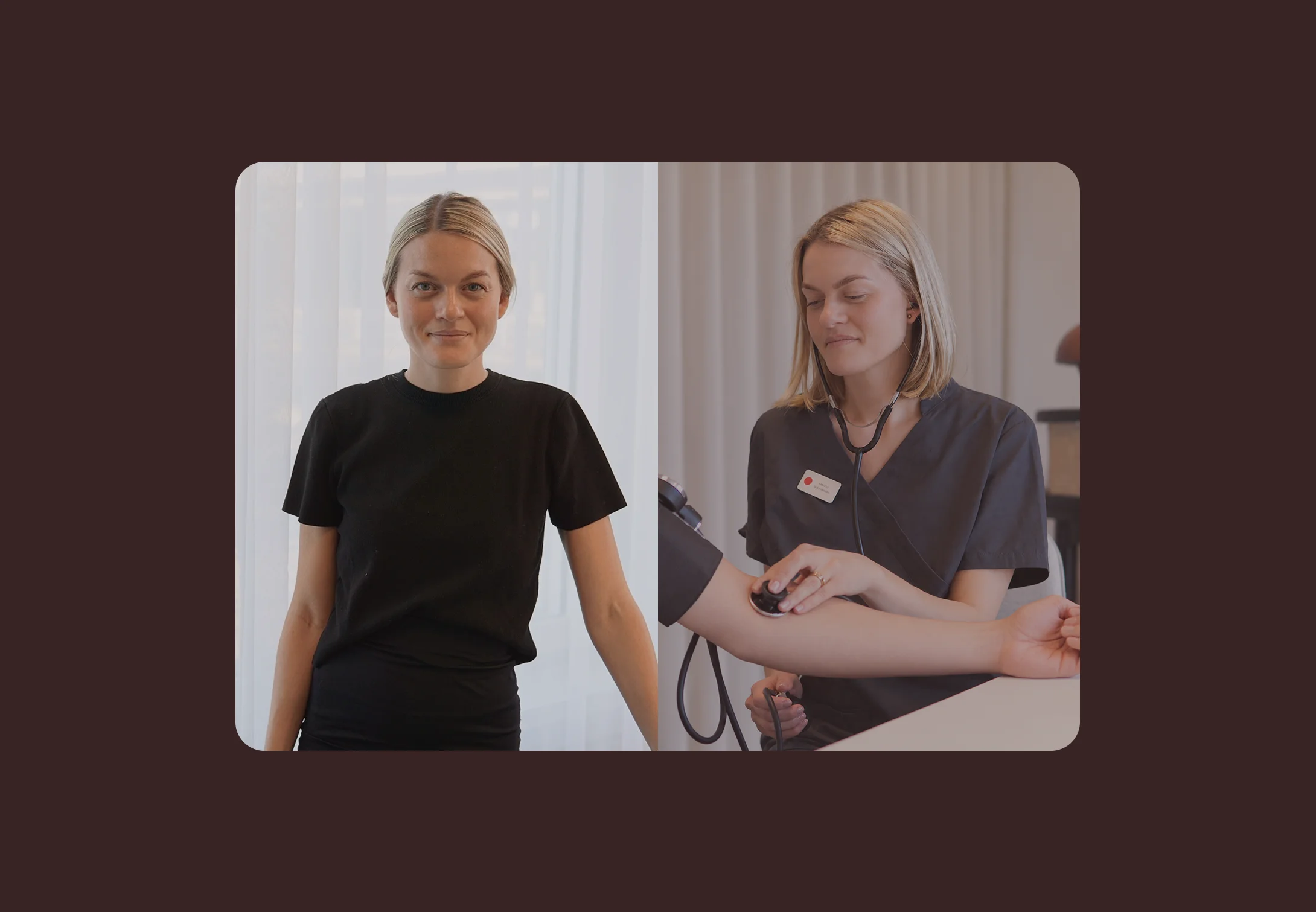
In her work as a nurse at OneLab, Linnea Haglund meets employees every day to talk about their health. Many mainly want to talk about their blood tests – cholesterol, blood counts and other physical markers. But during the conversations, things sometimes come up that are about something else entirely.
– The blood tests often take up a lot of space, even when the values look good. But sometimes the person mentions in passing that it's a very stressful period, that they're not sleeping well or that it's hard to make everything fit together. That's often when the most important conversation begins, says Linnea, nurse at OneLab.
Linnea has worked as a nurse for eight years in areas including paediatric care, primary care and home health care, and later as a rehabilitation coordinator. There she mainly met people who had already developed symptoms, received a diagnosis or needed rehabilitation.
Over time, her interest in preventive care grew, which led her to OneLab.
– I wanted to work earlier in the chain of care and be able to catch the risks before they lead to sick leave or long-term ill-health. And it feels very meaningful to be able to help people before the problems have time to grow big.
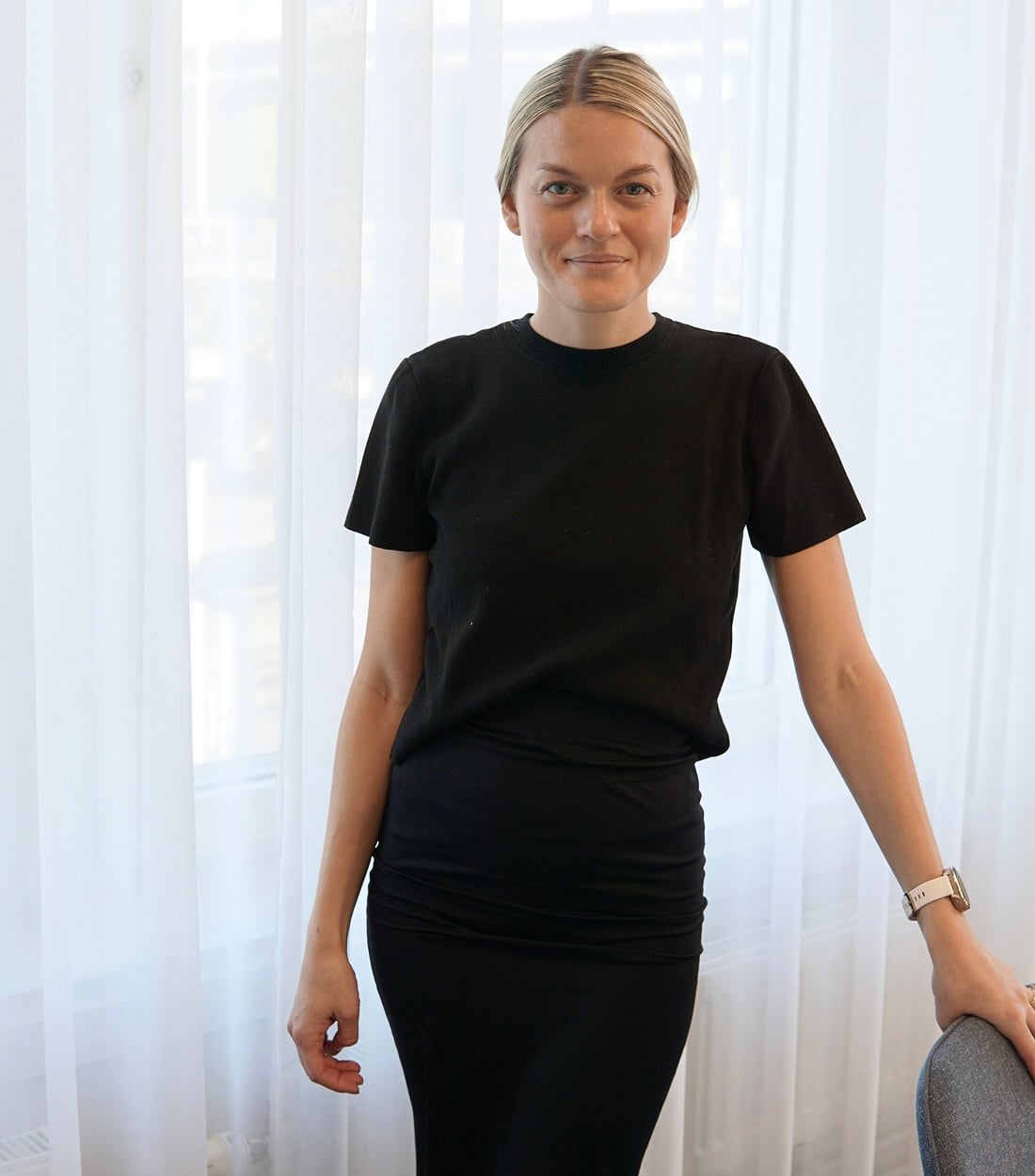
Linnea Haglund, registered nurse at OneLab.
Today Linnea works both as a nurse and as a team lead. She carries out health examinations and health consultations with patients, while also supporting the nurses in her team and developing their work.
An important part of the role is creating the conditions for the team to stay sustainable over time. OneLab's health examinations are carried out at the workplaces, which means the nurses travel a lot. At the same time, they meet people in difficult life situations. That's why Linnea places great emphasis on a sustainable way of working.
– We pay a lot of attention to schedules and try to make room for recovery. In our work we sometimes come across people who are feeling very unwell, and those conversations can be heavy. So sometimes it can be better for someone else to take that particular conversation. It's important that we take care of those who take care of others every day.
When a heavy workload starts to become unsustainable
OneLab's approach to health examinations always includes a follow-up consultation and health advice with a nurse or doctor. There, the employee has the opportunity to talk about their results and get support with their health. In these conversations, Linnea meets people in many different life situations. One meeting that has stayed with her was with a woman who kept up a high pace both at work and at home.
– She had three children, performed very well at work and did a lot at home. The children had activities, she exercised, cooked and managed to fit it all in. She was living at full speed, both privately and in her working life.
From the outside, a lot could look like it was working well. But in the conversation it became clear that the load was far too high.
– The difficult thing is that many people heading towards exhaustion don't always see it themselves. They're used to performing, taking responsibility and pushing on. This woman didn't see how hard she was driving herself. In situations like that, my job isn't to tell someone what to do, but to reflect back what the person is telling me.
The early signs can be easy to miss
Linnea describes how many people already feel that something isn't right, but have rarely put it into words. In the health consultations, it can therefore become clearer when they hear their own words back.
– I usually summarise what they've said themselves: “I hear you saying this and this. How does it feel when I say it out loud?” Very often it's a wake-up call. Many people notice themselves that it maybe doesn't sound so sustainable.
The first signs are often more subtle than many people think.
– Many people think exhaustion comes on suddenly, but usually it doesn't. An early sign can be that you start losing the joy in things you actually enjoy. Exercise doesn't feel as fun anymore. Cooking becomes a chore. Things that used to give you energy start to feel heavy.
Anxiety can also be a warning sign.
– If you start feeling anxious about things you didn't used to worry about, or find it hard to relax after work, then it's important to take it seriously.
You rarely get exhausted by things you find boring
Many people associate exhaustion with a job they're unhappy in. But according to Linnea, reality often looks different.
– Usually you don't get exhausted from doing lots of boring things. On the contrary, it's often people who like their job, their family, their exercise and everything they do. The problem is that the sum of it all becomes too much.
That is also what can make the warning signs hard to spot. When much of what you fill your life with is things you actually enjoy, it isn't always obvious when the load has become too high.
– Then it's important to stop and think about what your body is trying to tell you.
When someone starts to recognise themselves in this, the conversations are rarely about big life changes.
– We often talk about setting boundaries. What gives you energy? What drains it? Which parts of your life do you really want to keep, and what can you actually cut back on for a while?
The body is trying to tell you something
Linnea often meets people who have felt various signals for a long time, without really stopping to reflect on them.
– The body gives signals for a reason. We're just not always very good at listening to them.
It can be about sleep difficulties or constant tiredness, but also about finding it harder to unwind after work, growing anxiety, or things that used to feel easy suddenly requiring a lot of energy.
– Many people keep pushing on even though the body is trying to put the brakes on. The earlier you listen to the signals, the easier it is to make changes before stress has time to develop into exhaustion.
At the same time, change can't be forced.
– Sometimes you notice that the person isn't quite there yet. Whether it's about looking at their alcohol consumption, their cholesterol levels or their stress levels. Then it's not about convincing them, but about planting a seed. I usually say they don't need to do anything right now, but that they should take what we've talked about with them. Often that's enough.
What can managers do?
If Linnea could give managers one piece of advice, it would be to create more conversations where people actually feel safe enough to answer honestly.
– Many people ask “How are you?” by the coffee machine. But the most important answers rarely come there. Try to create a calm setting where there's time to really talk.
She also thinks managers should dare to talk more concretely about workload.
– Ask: “Is there anything I can do for you?” or “Is there anything in your workload we need to look at?” Be curious, especially about the employees who don't say themselves that they're having a hard time.
Preventive work makes a difference
After many follow-up consultations with employees, Linnea sees a clear difference between workplaces that work preventively and those that don't.
– Where relationships are good and there's a sense of trust between manager and employee, it becomes easier to pick up signals early. Then small changes can be enough.
When problems are allowed to grow over a long time, on the other hand, change becomes much harder.
For Linnea, this is exactly where the value of health examinations and follow-up consultations over time becomes clear.
– Many people might not have taken that time themselves. But when we pick up the signals early, there's also a greater chance of making a difference. That's really what preventive work is all about.
Want more perspectives from OneLab's nurses? Read the interview with Fanny here.