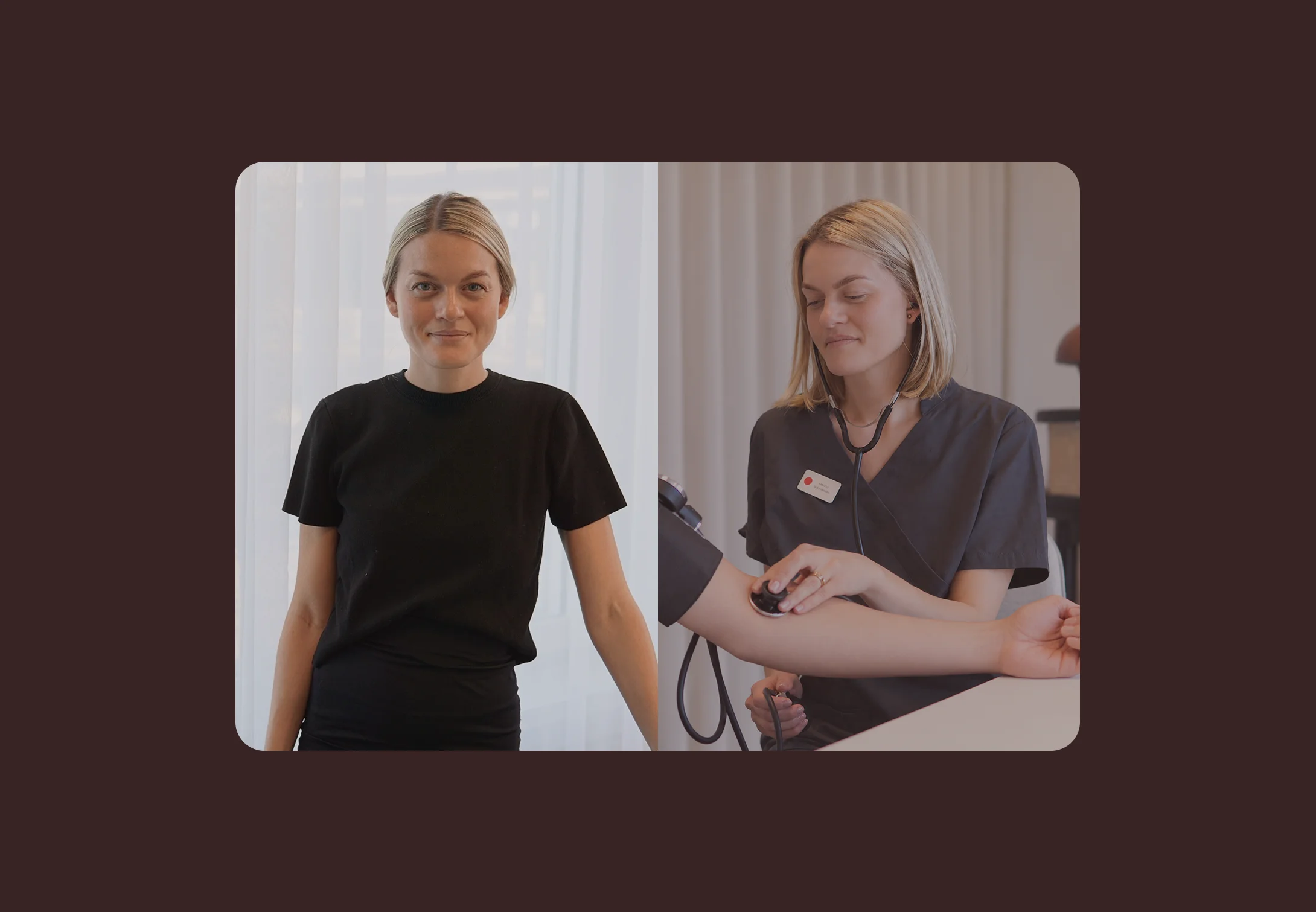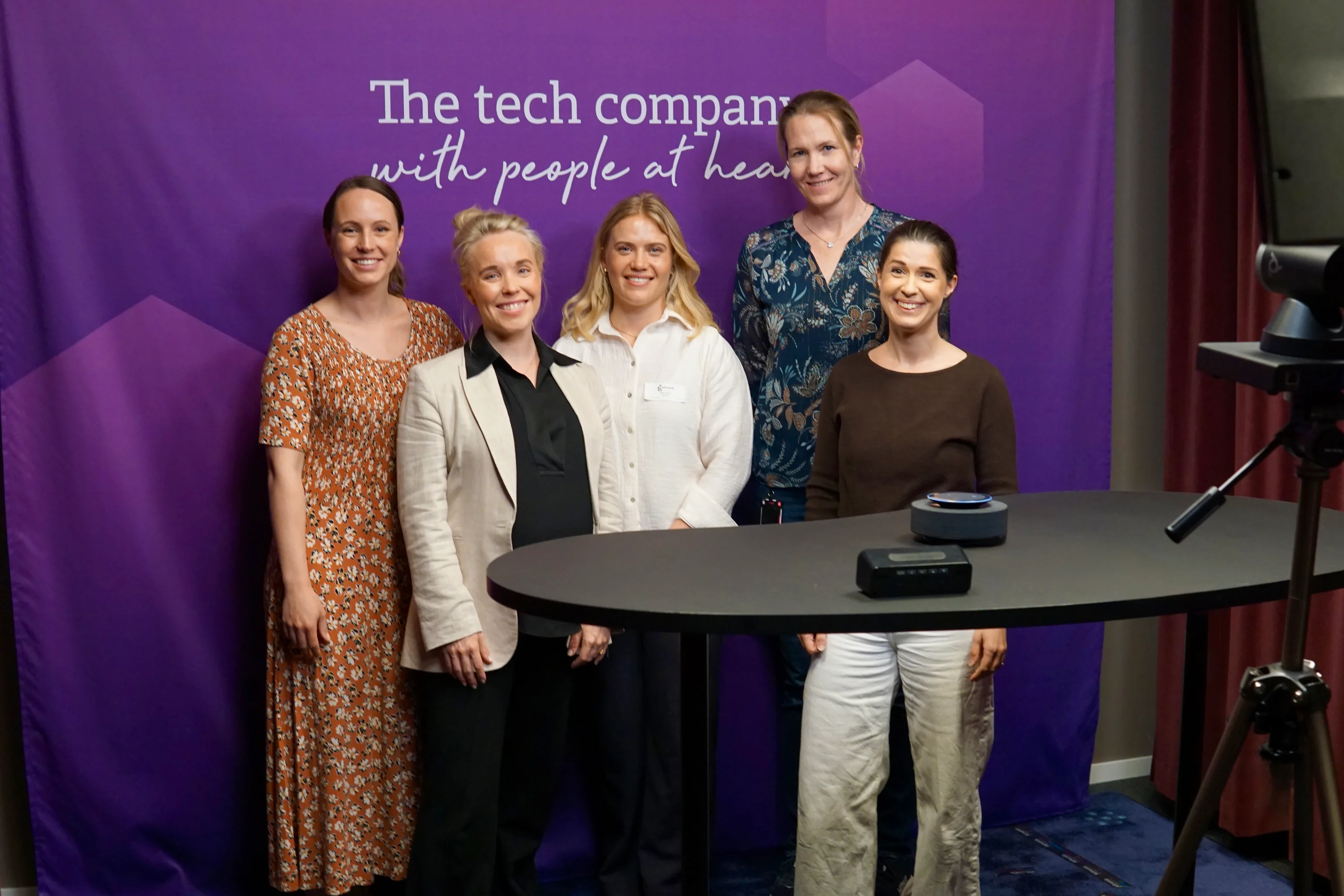
This autumn, OneLab and the tech company Advania are launching a partnership on health examinations with a particular focus on women's health at work.
A healthy work climate is close to Advania's heart, with a strong focus on, among other things, the physical and psychosocial work environment. Advania already offers all employees a range of health initiatives, such as a wellness allowance, the option of an employee bike scheme, initiatives to encourage physical activity and close collaboration with its occupational health service. Now, together with OneLab, the company is adding an offering focused on women's health. The aim is to provide a more relevant and accurate picture of health challenges that can affect women's everyday lives, ability to work and long-term wellbeing.
As a first step, OneLab visited Advania last week for a webinar kick-off for the company's female employees. During the kick-off, OneLab presented the plan for the autumn and discussed why women's health is such an important part of modern, preventive health work.
A more relevant health examination for women
Many traditional health examinations are based on general models that do not always capture health challenges that are particularly relevant to women. That is why OneLab combines medical analyses, structured questionnaires and health advice in which women's health is an integral part.
The examination takes into account tests and questions related to, for example, hormonal changes, menopause, sleep, stress, recovery and mental wellbeing. When test results and biomarkers are combined with questions about symptoms, life situation and recurring complaints, a broader understanding of the individual's health is created. This makes it easier to pick up factors that might otherwise be overlooked and creates a better basis for decisions for both the individual and the employer.
Personalised support and long-term wellbeing
The women taking part get relevant insights into their health and are offered personalised support based on their needs. The goal is to contribute to long-term results, improved wellbeing and better conditions for a sustainable working life.
For OneLab, the partnership with Advania is an example of how occupational health can evolve from general initiatives to more targeted and preventive health programmes. When health examinations are designed around real needs, they also become more useful, both for the individual and for the organisation.
Women's health as part of work environment management
Women's health is an important part of modern, inclusive health work. By raising issues that affect women's everyday lives, employers can create better conditions for early detection, relevant support and a more sustainable working life. We are really looking forward to working with Advania.
Would you like to read more or talk to us about what a similar set-up could look like in your organisation? Get in touch!
Book a demoFill in your details and we will get back to you.
Frequently asked questions about women's health at work
Why is women's health an important issue for employers?
What does a health examination focused on women's health involve?
Why are traditional health examinations not always enough?
How can women's health affect the ability to work?
Is women's health relevant only to the individual, or to the organisation too?
How does OneLab work with women's health?