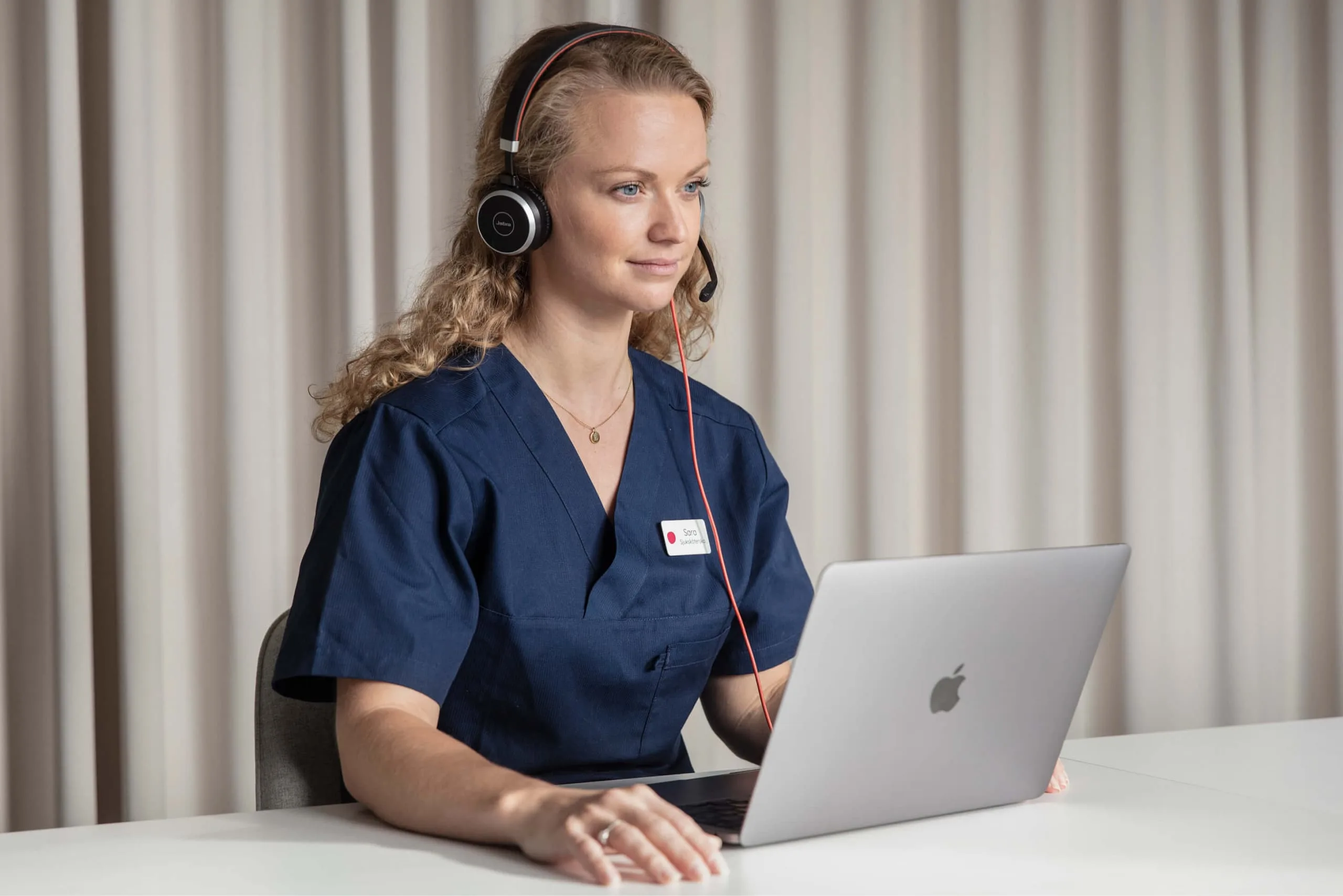
Remote and hybrid work has been the new normal for several years. At its best, it is a flexible tool for balancing life and work, but it can also affect our mental well-being. We spoke with nurse Evelina Mattsson at OneLab.
How important is it to identify employees who are struggling when working remotely?
”Mental ill health can develop quickly, and it is not always easy to seek care in time on your own. So it is extremely important to quickly identify those who are not feeling well. The consequences of not seeking help can be significant for both the individual and the company”, says Evelina.
”Many people are feeling anxious right now. Anxiety about events in the world in recent years, but also worry about what might happen to their job or finances.”
The spread of remote work has shifted our routines but also created new ones. ”It can be hard to find motivation while at the same time feeling stressed and worried about the future. When working remotely, it can also be difficult to get support from colleagues and managers”, explains Evelina.
Here are Evelina’s tips:
– Routines are important — get up at the same time every morning
– Don’t get stuck on the sofa — try to set up a dedicated workspace
– Make sure you get physical activity, preferably in daylight
– Try to have social contact with colleagues that isn’t only about work
– Don’t wait to seek help if you feel you need it
Screening for mental ill health remotely
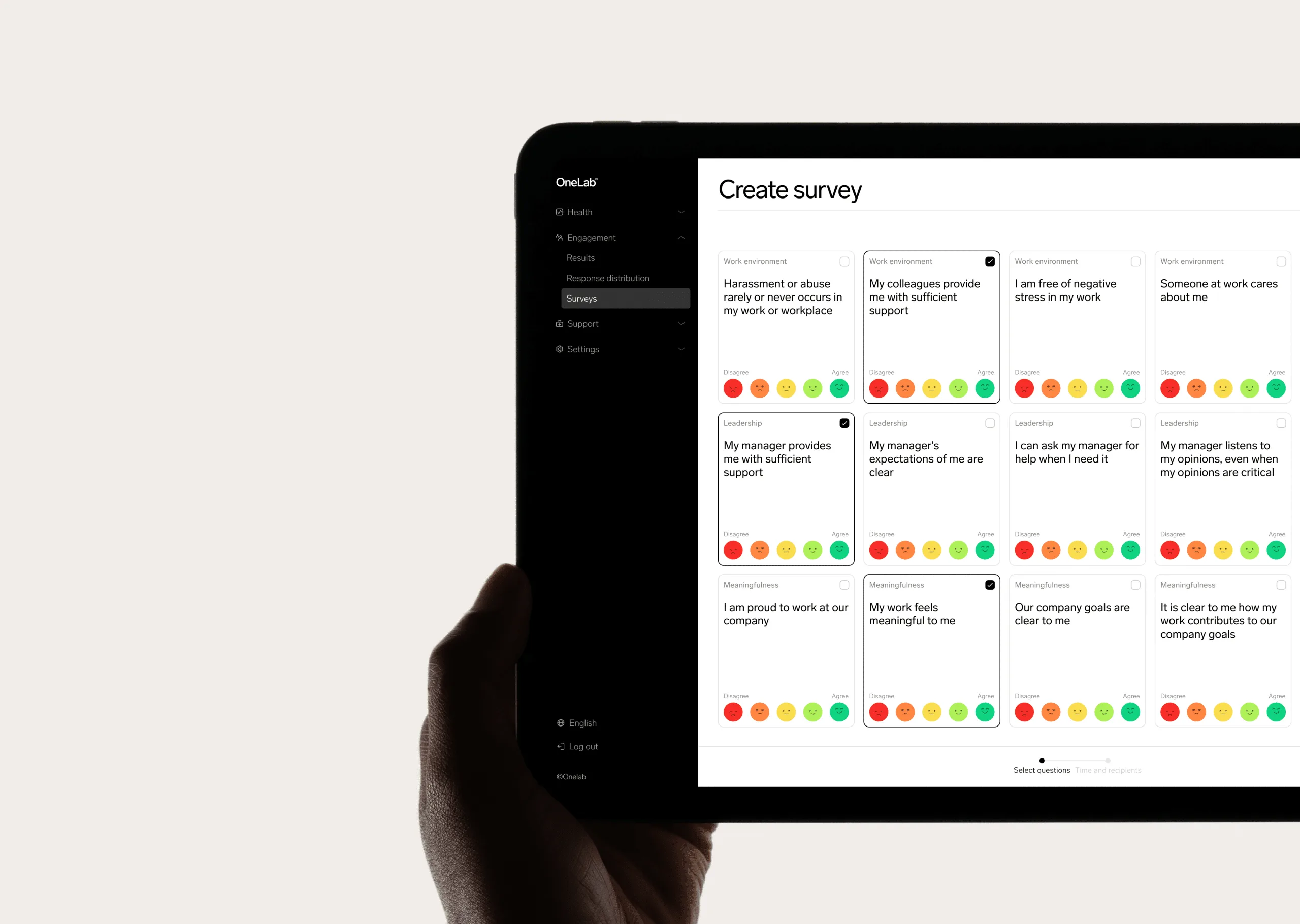
Evelina continues: ”The most important thing for you as a business leader and manager is to check in with your employees to see how they are feeling, rather than how work is going. Since many companies let their employees work from home, it is difficult for an employer to know how employees are doing. We have therefore developed a digital health screening. It identifies health risks such as stress, worry and anxiety, as well as other factors that affect well-being.”
For people with underlying higher risks, our nurses provide feedback through motivational conversations and help accessing the right care when needed. As an employer, you get an aggregated overview of how the company is doing.