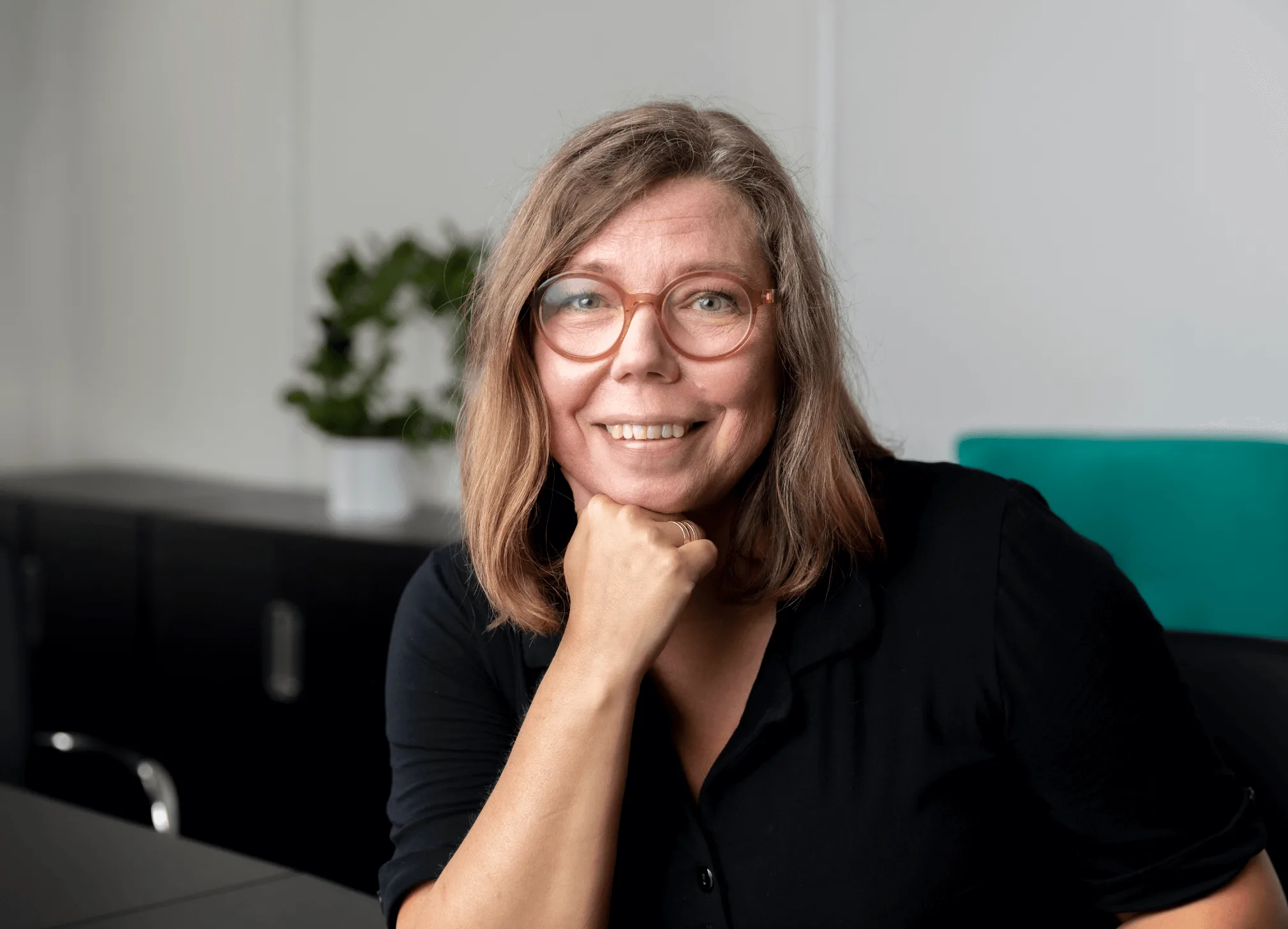
Do you know how your employees are really doing? If not, it is time to take health work seriously. ”If we help even one employee discover a serious health risk, that has enormous value” says Helena Ölander, HR Director, who regularly measures both employee and organisational well-being.
The number of sick leave cases has increased since 2010 and mental ill health is the most common cause of sick leave, according to statistics from the Swedish Social Insurance Agency. Mental ill health has also become a common reason for employees resigning.
In a British survey from 2021, as many as 61 percent said they had either already quit or were considering doing so because of mental ill health caused by stress at work, among other factors. The report also states that most people usually or always go to work when they are feeling mentally unwell, even when they would benefit from time off. There is every reason to take preventive health work seriously. Since 2014, Helena Ölander has used the OneLab platform at her workplaces to detect health risks early — both physical and mental.
Helena explains that there are two purposes to the partnership:
”Partly it is a benefit for employees. They gain insight into their own health. For those in the younger age group, not many seek help if they have symptoms of mental ill health, for example. And for those somewhat older, high blood pressure, for instance, is not something you notice, but important to keep track of. Partly it has value for us as an employer. We get a health check on the organisation and a measure of how the psychosocial work environment is doing.”
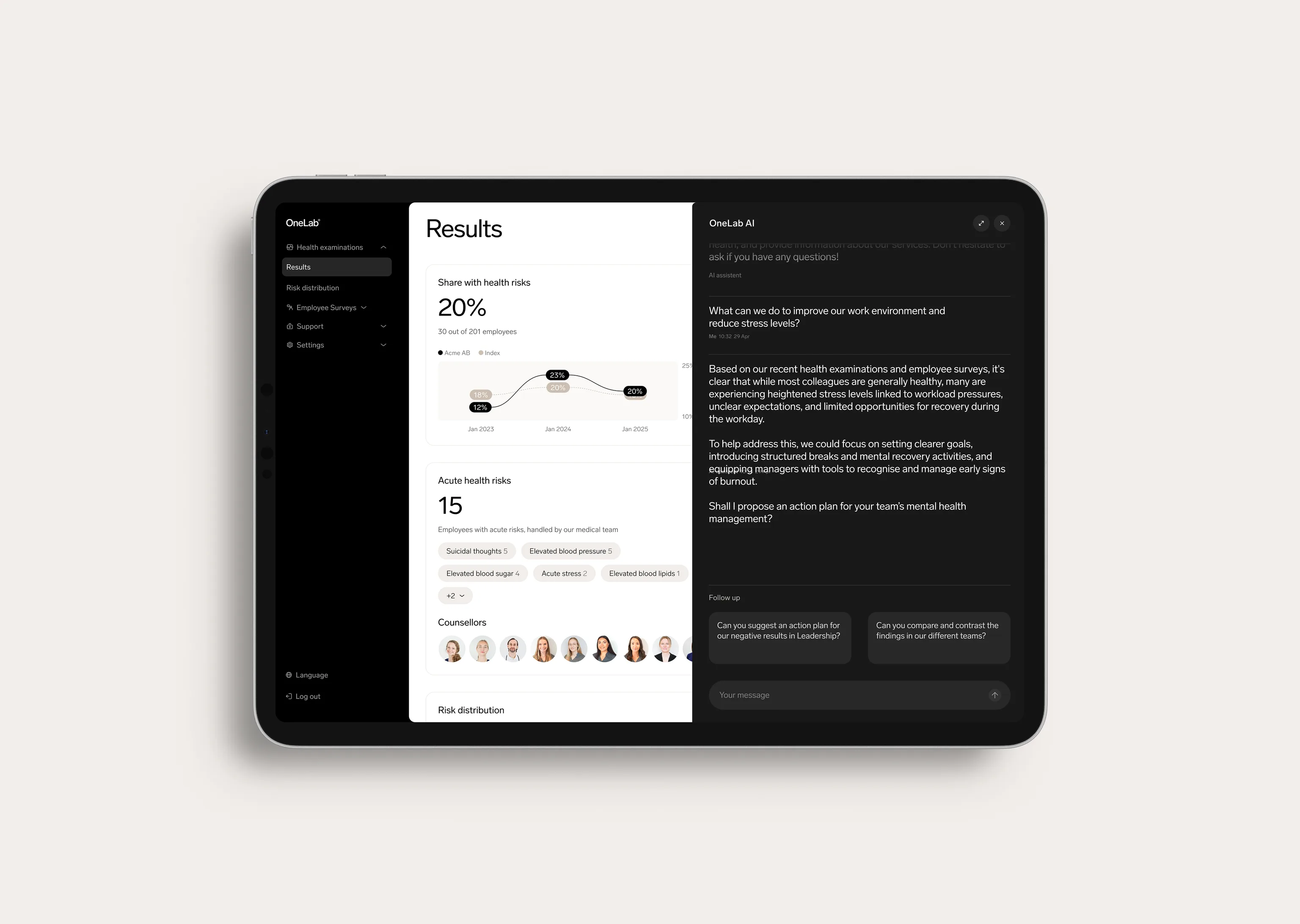
Helena Ölander says she appreciates OneLab’s platform where she can see how the organisation is doing.
”It is a useful tool for me as HR Director. The whole process is also simple, since OneLab handles all administration. Another good thing is that it is efficient. Time and money are spent on the employees who need it — for example with follow-up from a doctor or psychologist.”
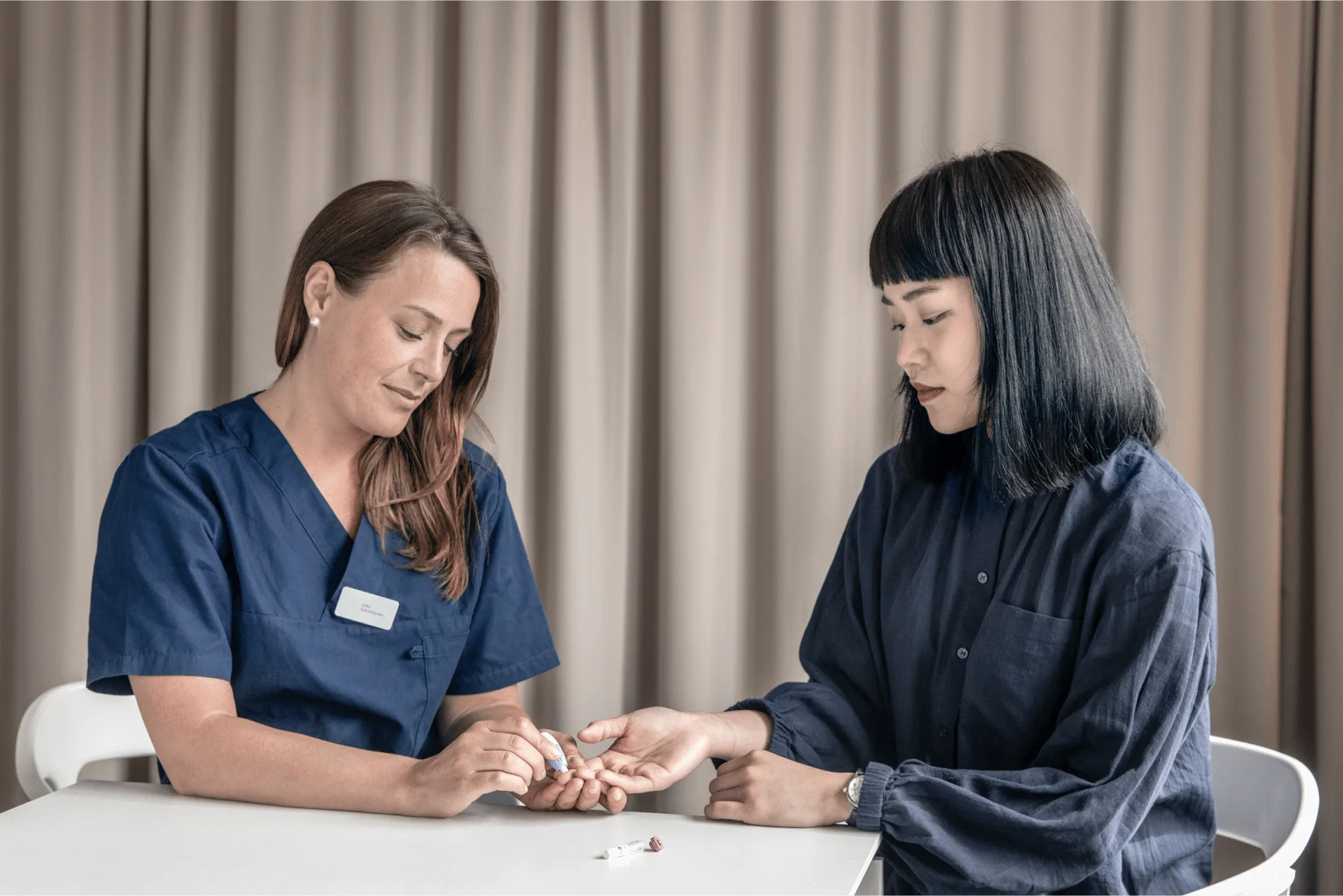
For the screening itself, employees receive an invitation by email.
”The health screening is quick — it takes less than ten minutes. We usually hold it in the conference room”, says Helena Ölander.
Employees also answer questions in a digital health check and can then see their results in an app. In the app, employees can access self-help programmes and other content to improve well-being. Employees assessed as being in a risk group — for example with high stress levels or borderline diabetes — are contacted by a doctor or nurse who follows up the results with health advice, triage and motivational conversations that promote lifestyle changes.
Health screenings also open up dialogue between manager and employee. There is also a safety net consisting of regular development conversations, clear goal and role descriptions, and six-monthly check-ins to catch signs of ill health in time.
”If we find even one person in a risk group through our health work, that has enormous value”
Helena Ölander
HR Director
Three steps to better health among employees
Helena shares her experience of how you as a manager can promote employees’ mental and physical health.
1. Focus efforts on those who really need them. Not all employees are in a risk group. Through measurements that show how both the individual and the organisation are doing, you can target efforts in the right places.
2. Have regular check-ins with every employee. As a manager you need to take the initiative to talk about how the employee can set boundaries around their tasks and prioritise correctly.
3. Try a digital tool that simply measures and follows up how employees are doing. It also becomes a measure of the whole organisation’s well-being.